Biodegradable Filament Development
From Coffee-Ground Composites to Pure PHA Systems
This project explored biodegradable materials for consumer-grade 3D printing.
Starting with coffee-ground composite filaments, the research focused on improving manufacturability and scalability within existing production systems.
The findings informed a transition toward >>pure PHA filament development, investigating alternative pathways for sustainable material production.
Keywords
Biomaterials
Material Engineering
Additive Manufacturing
Process Optimisation
Role
Material R&D Intern
Duration
3 Months

Project Content
Phase 1 - CaFila
Coffee-Ground Composite Filament
Phase 2 - Pure PHA Filament
Home-Compostable Material Development
Coffee grounds are widely explored as a sustainable biomaterial due to their abundance, biodegradability, and distinctive material qualities.
However, many coffee-ground-based materials face challenges in mechanical performance, manufacturing compatibility, and large-scale adoption.
Commercial Viability
Coffee-ground biomaterials demonstrated strong biodegradability but lacked the mechanical performance required for scalable production and wider market adoption.
Develop composite filament formulations that improve manufacturability while retaining environmental benefits.
Manufacturing Compatibility
Many biomaterials require dedicated processing methods, limiting adoption across existing fabrication workflows.
Investigate filament systems compatible with standard extrusion and FDM printing technologies.
Material Experience
Coffee-ground materials can exhibit inconsistent colour, texture, and odour characteristics that affect user acceptance.
Optimize material composition and processing parameters to improve consistency and product quality.
Industry Collaboration
To support the development of coffee-ground-based filaments, I collaborated with PhaBuilder, a company specializing in biodegradable polymers and PHA production.
The collaboration provided access to PHA materials, production facilities, and engineering expertise throughout the development process. Beyond material development and print testing, the partnership also enabled the project to progress towards commercial production and market release.
Why PHA?
>>A family of natural polymers.
>>100% Biodegradable, with no microplastics.
PhaBuilder's proprietary PHA platform provided a biodegradable polymer base suitable for filament development. Compared with conventional bioplastics, PHA offers broader environmental degradation pathways while maintaining compatibility with thermoplastic processing.


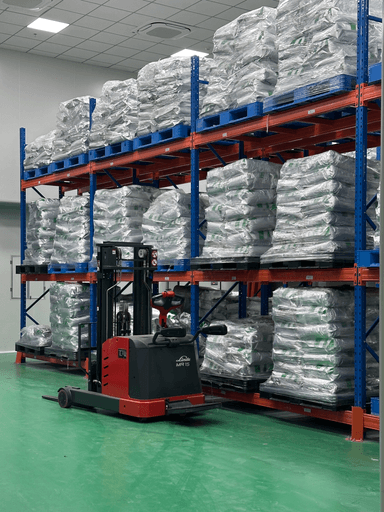


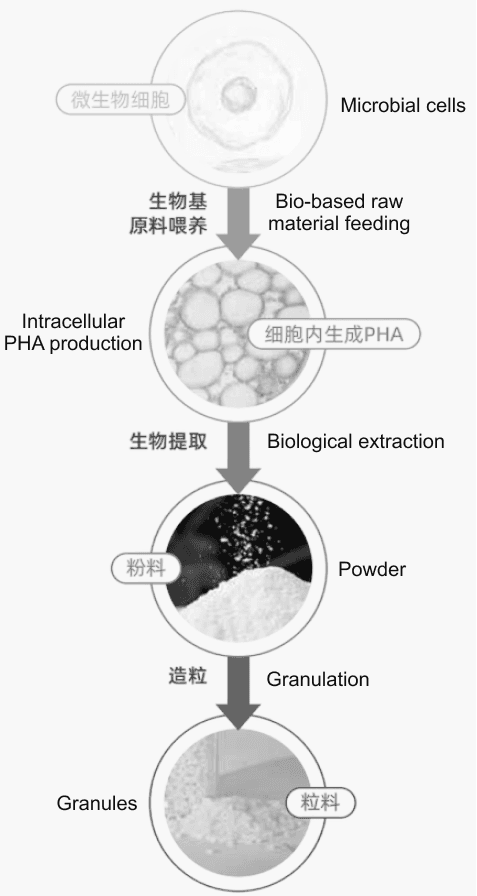

Filament Production


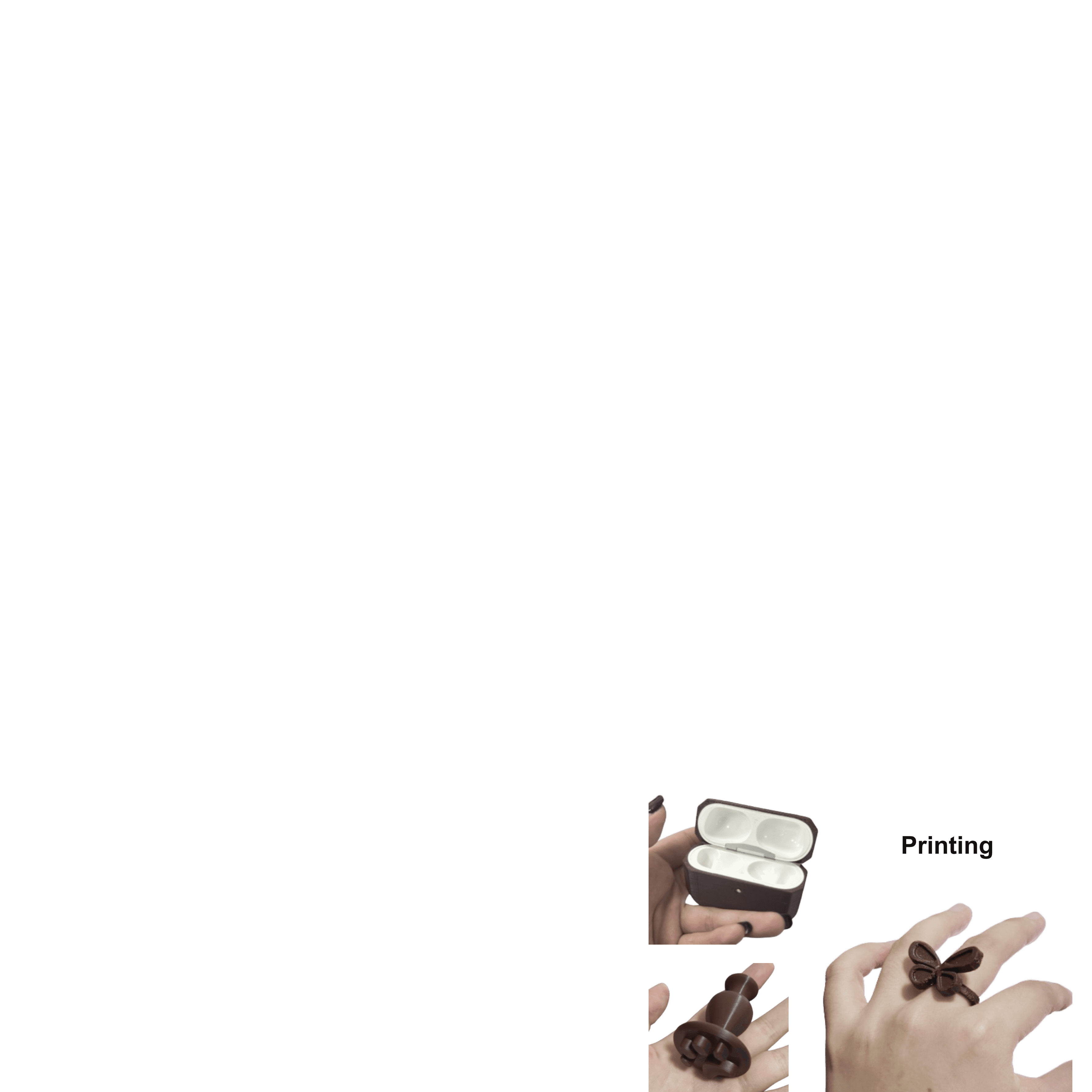
Filament Performance
Physical Properties
Melt index: 9-15 g/10 min
Moisture and volatile content: <0.5%
Melting point: 168-172℃
Mechanical Properties
Tensile strength: ≥48 MPa
Tensile fracture nominal strain: 4-10%
Notched impact strength (cantilever beam, 23℃): 3-8 KJ/m²
Bending strength: 77-81 MPa
Bending modulus: 2400-2700 MPa
Scaling Opportunity
CaFila
Future development could connect material suppliers, coffee brands, and distributed manufacturing networks to create a circular system for biodegradable filament production.
Material Suppliers — provide biodegradable polymer feedstocks.
Coffee Brands — contribute spent coffee grounds and gain branded products.
CaFila — transforms waste streams into printable filament materials.
Consumers — participate through coffee-ground collection and product use.

Further Development
Pure PHA Filament


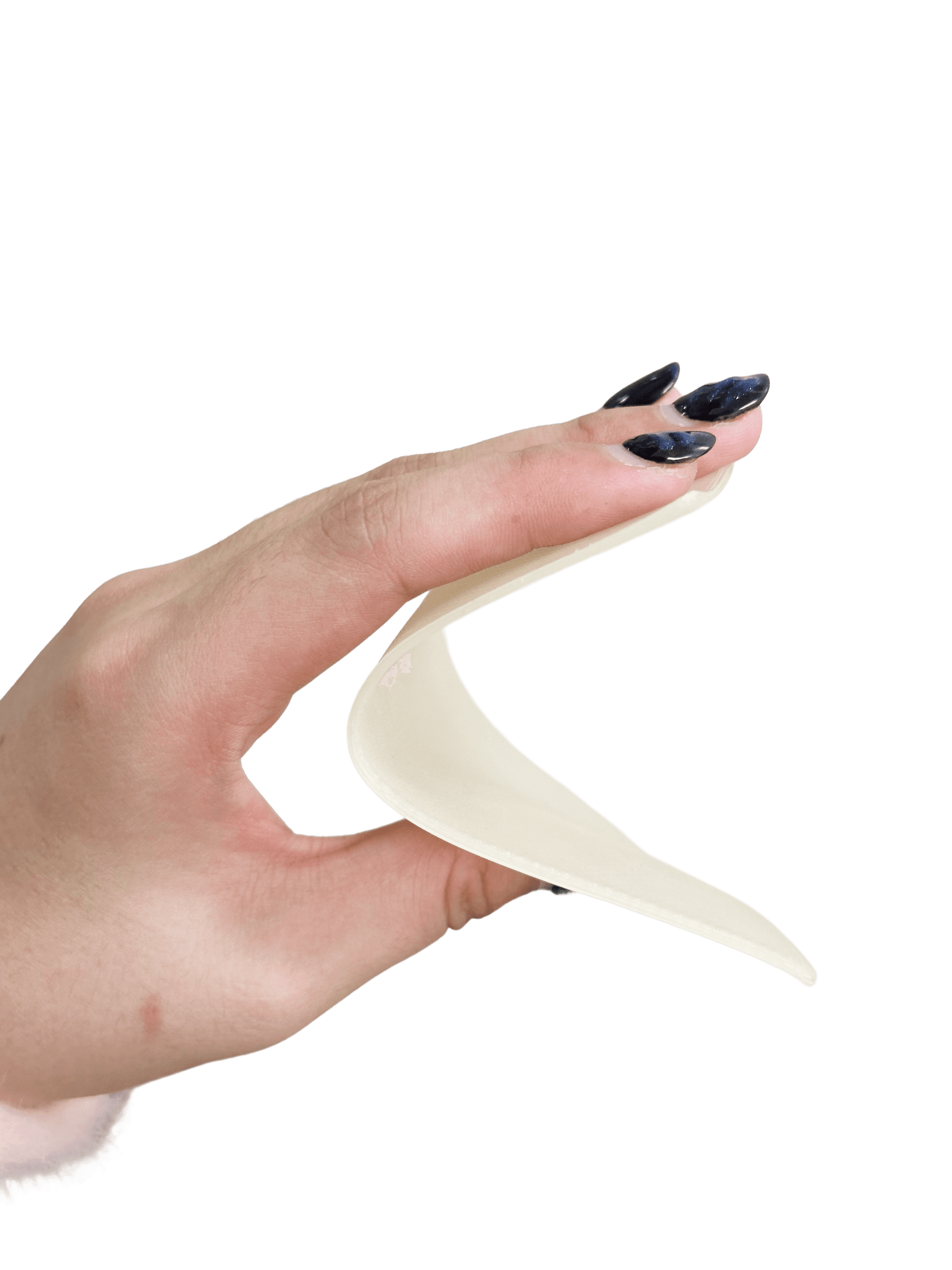

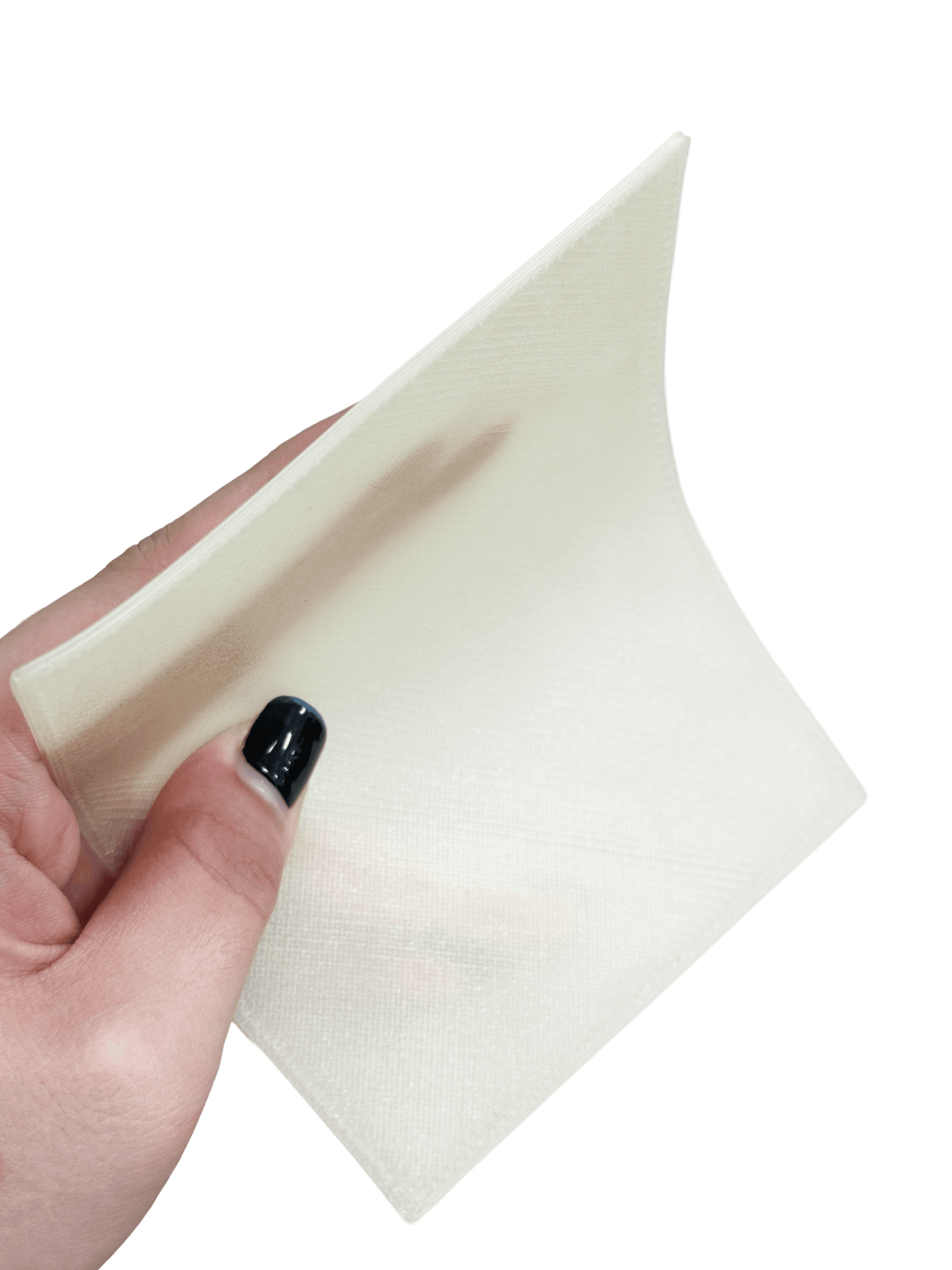


Many commercially available PHA-based filaments require industrial composting conditions for effective biodegradation, limiting their suitability for household waste streams.
This project investigates pure PHA filament development for additive manufacturing, focusing on printability, material performance, and compatibility with home composting environments.
*For information about PHA filaments, please visit >>PHA ECO GOODS.
Filament R&D
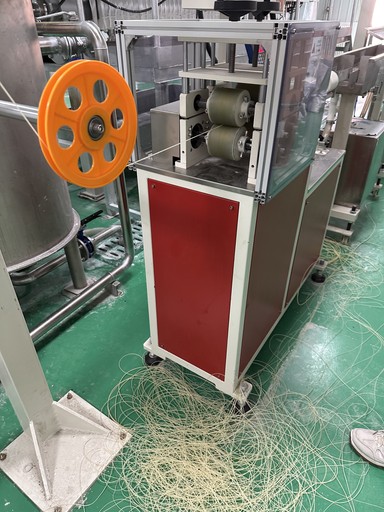
Working alongside material engineers during the early development stage, I participated in evaluating pure PHA formulations through iterative print testing and application validation.
The focus was to assess printability, extrusion stability, layer adhesion, and material behaviour under real FDM printing conditions.
Feedback from testing was continuously communicated to the material development team, supporting formulation refinement and subsequent validation cycles.



Challenges & Responses
Rapid Crystallization
Pure PHA crystallizes rapidly during cooling, reducing interlayer bonding time and leading to weak layer adhesion, warping, and poor bed adhesion.
Through iterative print testing and collaboration with material engineers, formulation and processing parameters were refined to improve print stability and expand the printable operating window.
Narrow Processing Window
Pure PHA offers a limited processing window between insufficient melt flow and thermal degradation, often causing under-extrusion and nozzle clogging.
A continuous feedback loop between formulation development and print testing was established to improve extrusion consistency and long-duration printing reliability.
Post-Print Material Changes
Ongoing crystallization after printing can alter the mechanical properties of pure PHA, causing printed parts to become more brittle over time.
Long-term observations were incorporated into material evaluation, helping balance immediate printability with post-print stability.
Filament Performance
Test Factors
Temperature
Flow Rate
Rough Calibration
Precise Calibration
Pressure Advance
RA Pattern
Retraction Test
Maximum Flow Rate


